
The Global History of Writing Instruments
Writing instruments have shaped human civilization, carrying ideas across generations, borders, and cultures. From primitive tools etched in stone to finely crafted luxury pens, the evolution of writing instruments mirrors the progress of human thought, trade, and creativity.
The Earliest Beginnings: Marks of Civilization
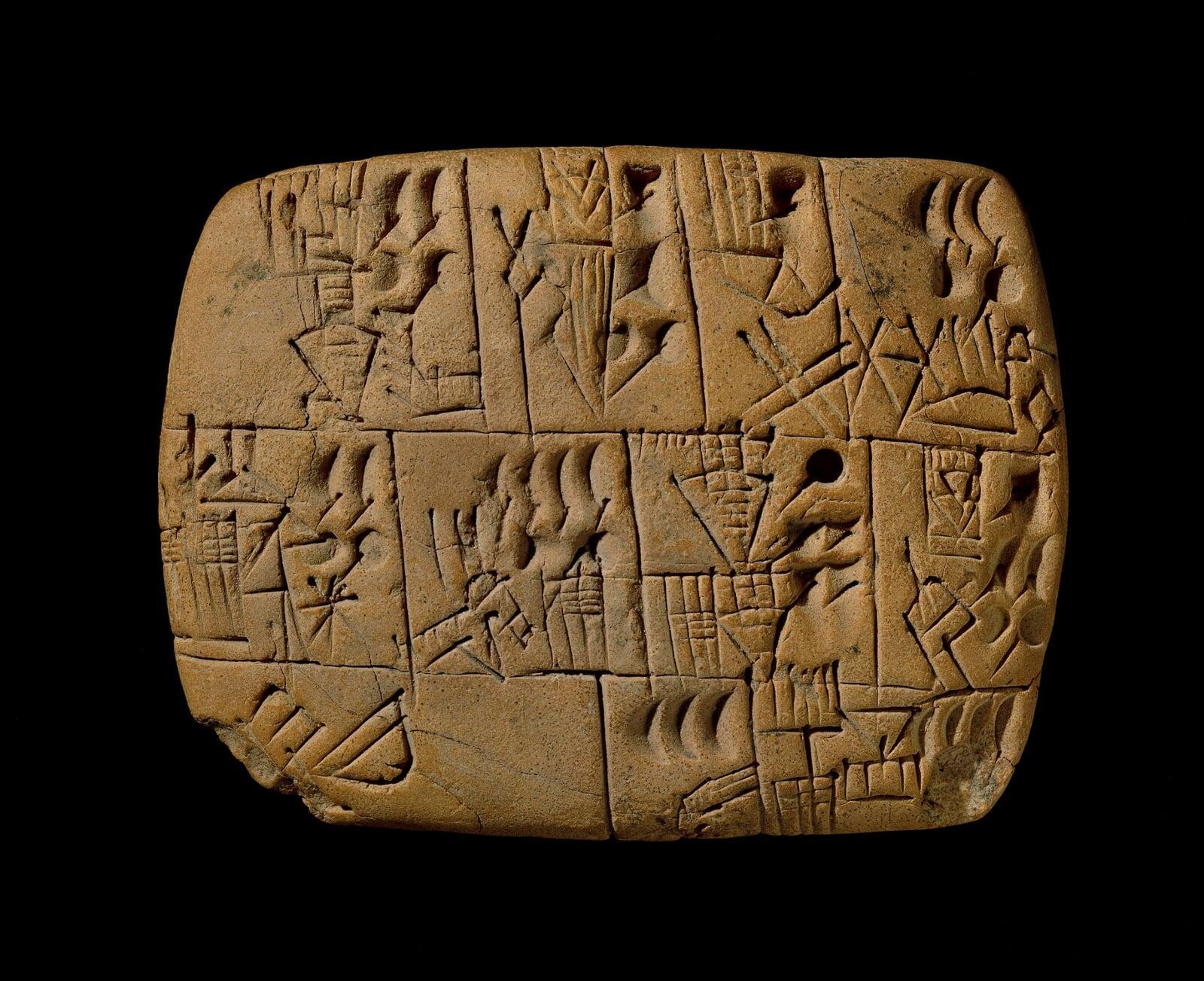
The story of writing instruments begins over 5,000 years ago in ancient Mesopotamia, where scribes used reed styluses to press symbols into soft clay tablets. Around the same time, ancient Egyptians developed ink made from soot and natural pigments, applied using reed pens on papyrus.
Classical Antiquity: Greece and Rome
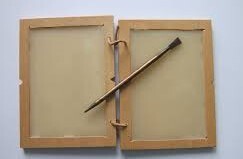
In ancient Greece and Rome, writing became central to education and governance. Metal styluses were used to write on wax tablets, allowing text to be erased and reused. Quill-like tools and early inks gradually gained popularity for writing on parchment.
These tools enabled the recording of philosophy, law, and science—laying the foundation for Western civilization.
The Middle Ages: The Age of Quills
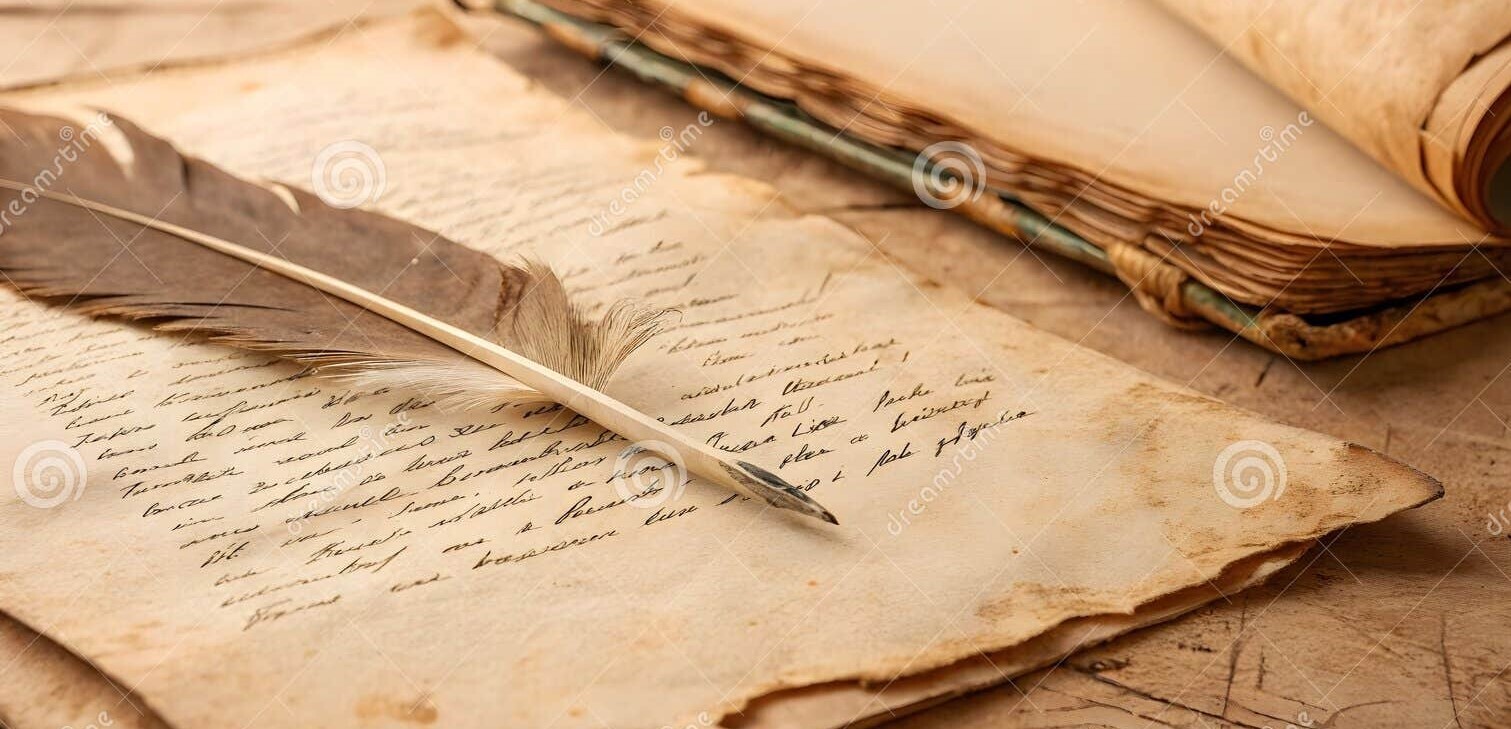
During the medieval period, the quill pen, made from bird feathers (commonly goose or swan), became the dominant writing instrument in Europe. Monks and scholars painstakingly copied manuscripts by hand, preserving knowledge through centuries.
Ink recipes varied widely, often created from iron salts and tannins, resulting in deep, lasting blacks and browns.
The Renaissance to 18th Century: Precision and Progress
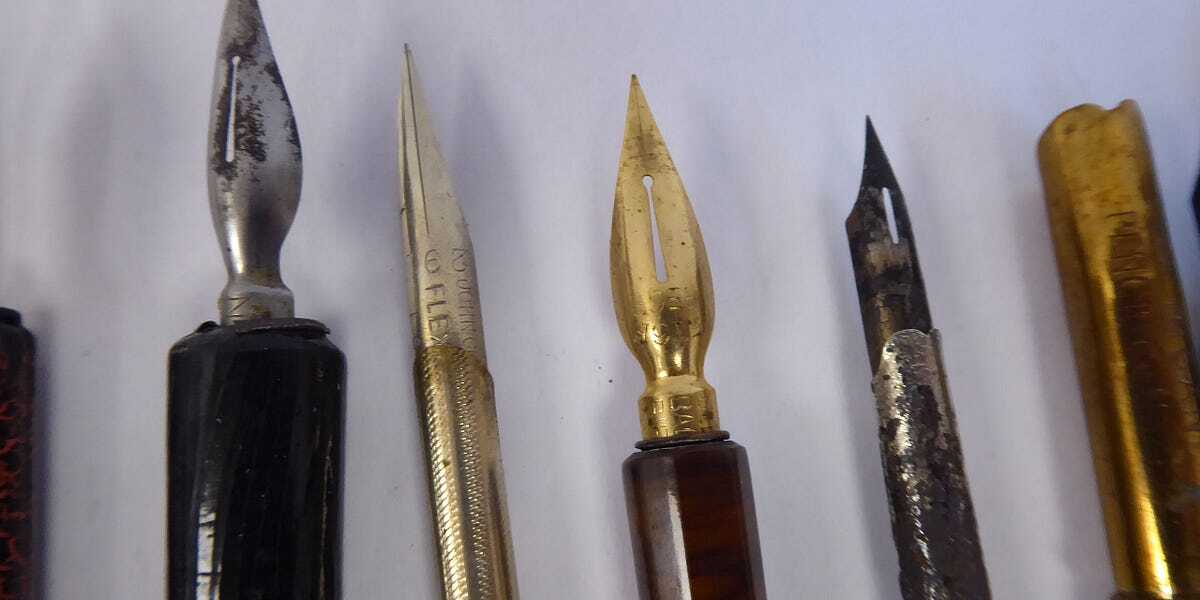
As education expanded and trade flourished, writing instruments evolved for greater consistency. Metal nib pens began replacing quills, offering durability and improved ink flow. Writing became more accessible beyond religious and royal institutions.
This era marked the transition from handcrafted writing tools to early industrial production.
The 19th Century: Birth of the Fountain Pen
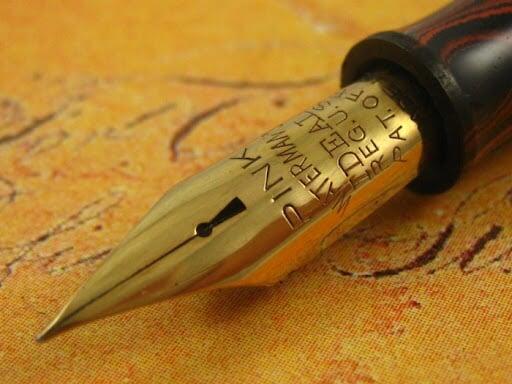
The 19th century revolutionized writing with the invention of the fountain pen. Featuring internal ink reservoirs, fountain pens eliminated constant dipping and enabled longer, smoother writing sessions.
Brands that would later become legends—such as Parker and Waterman—emerged during this period, setting new standards for reliability, craftsmanship, and design.
The 20th Century: Ballpoint and Global Adoption
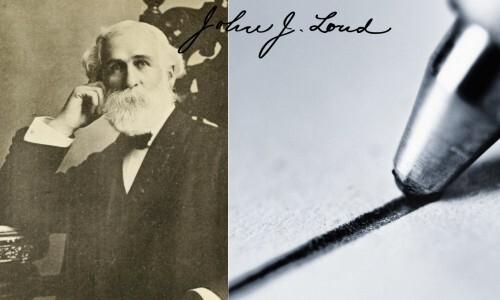
In the mid-20th century, the ballpoint pen transformed everyday writing. Affordable, durable, and convenient, it brought writing instruments into the hands of millions worldwide.
Meanwhile, luxury fountain pens continued to evolve, becoming symbols of prestige, professionalism, and personal expression.
The Modern Era: Writing as an Experience
Today, writing instruments represent more than functionality. From precision-engineered rollerball pens to handcrafted luxury fountain pens, modern writing tools balance innovation with tradition.
Collectors and enthusiasts value materials such as precious resins, solid gold nibs, and handcrafted finishes. Writing has become a mindful experience—slower, more intentional, and deeply personal.
Writing Instruments in the Digital Age
Despite the rise of digital communication, fine writing instruments remain relevant. They symbolize authenticity, permanence, and craftsmanship in a fast-moving digital world. Signing important documents, journaling, or gifting a premium pen carries meaning beyond words.
A Legacy That Continues
From ancient reeds to modern masterpieces, writing instruments have evolved alongside humanity itself. They preserve history, inspire creativity, and connect generations. As long as stories need telling and ideas need recording, writing instruments will remain timeless companions
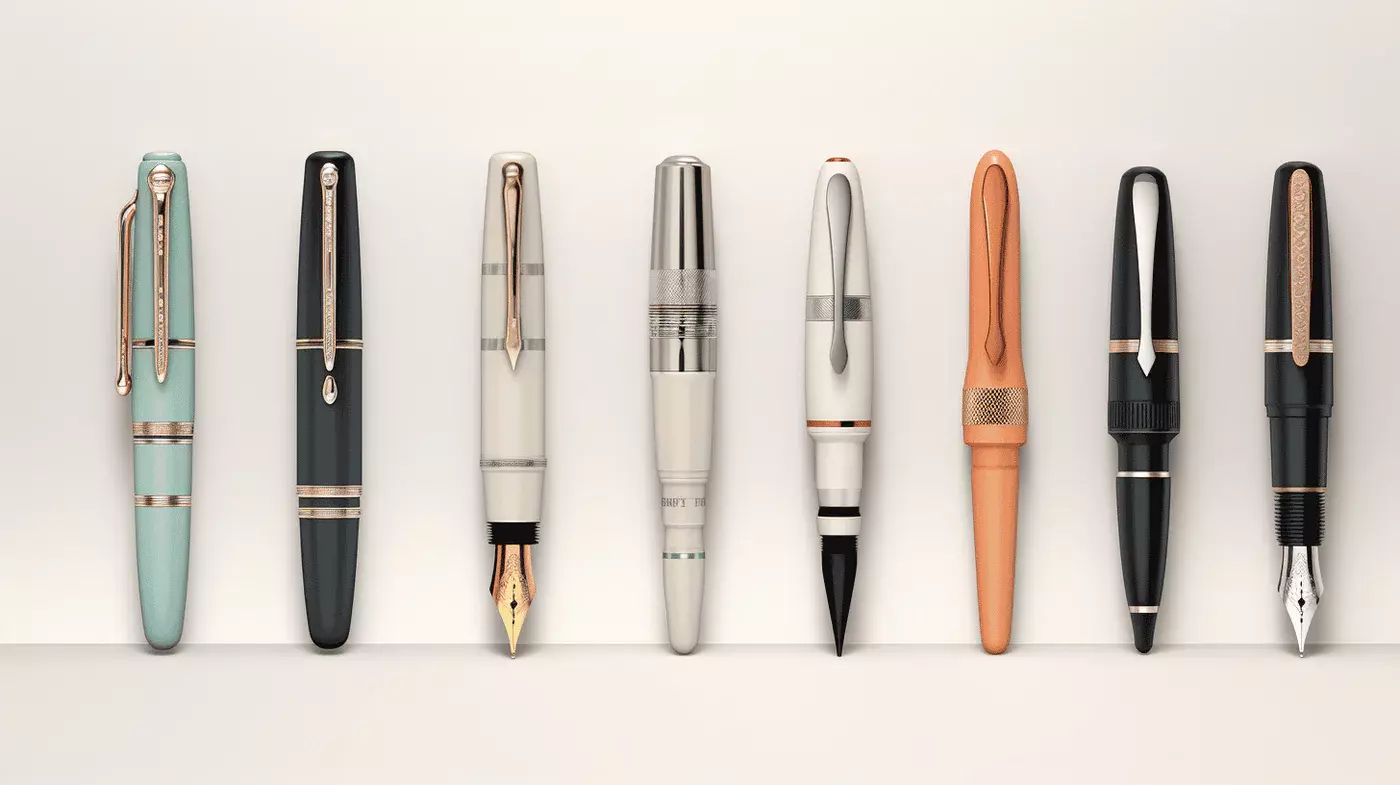
At Empyreal Creations, we celebrate this rich heritage by offering premium writing instruments that honor the past while inspiring the future.